
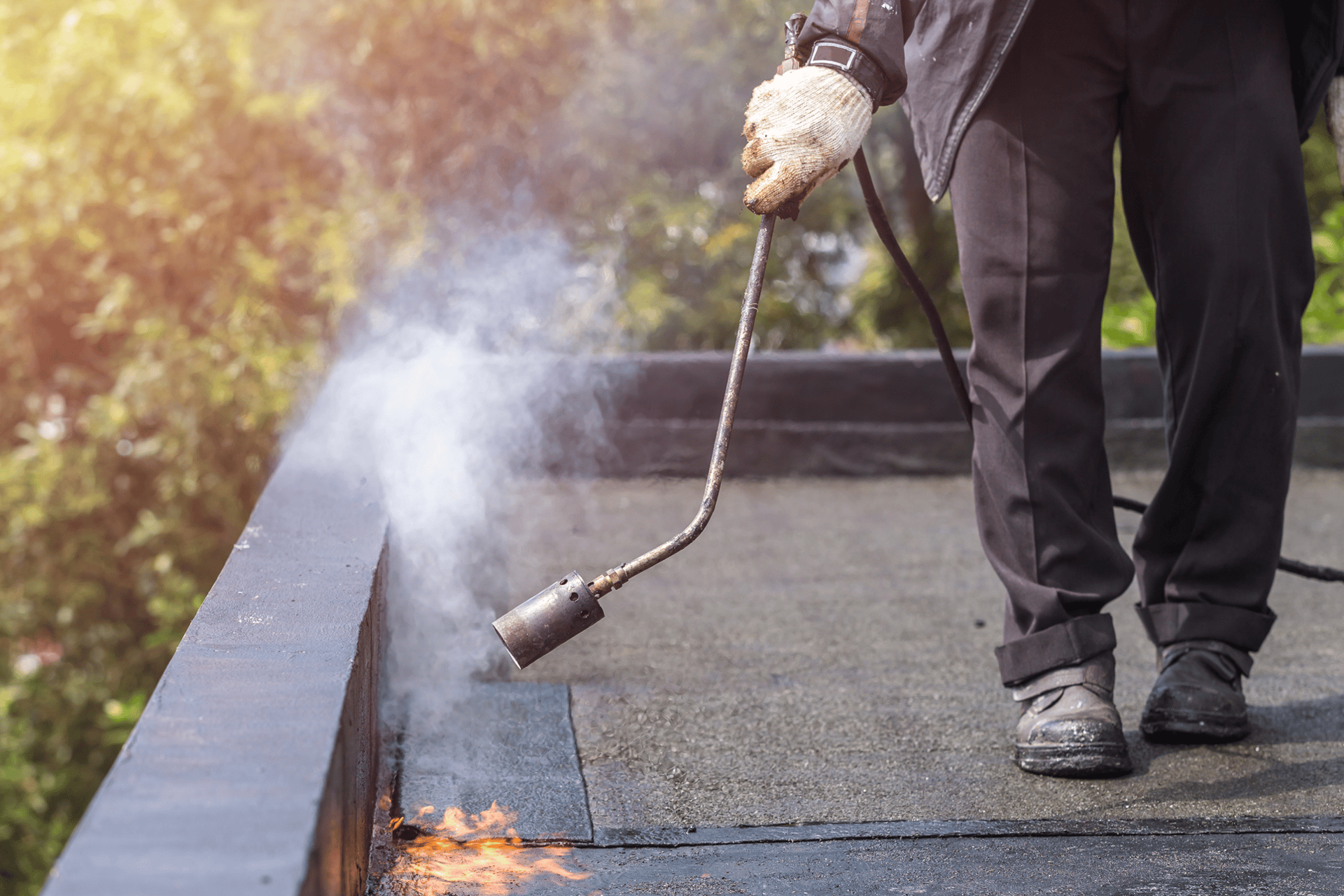
Bituminous Membrane Waterproofing
What is Bituminous Membrane Waterproofing?
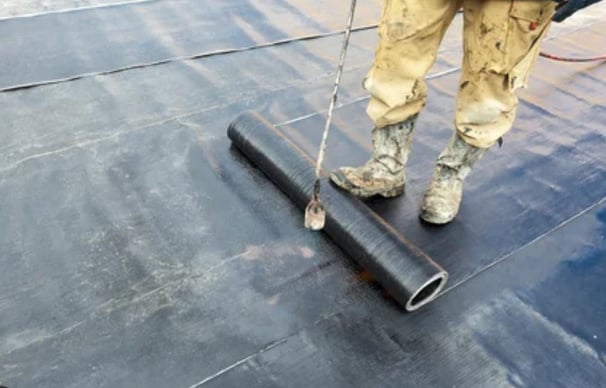
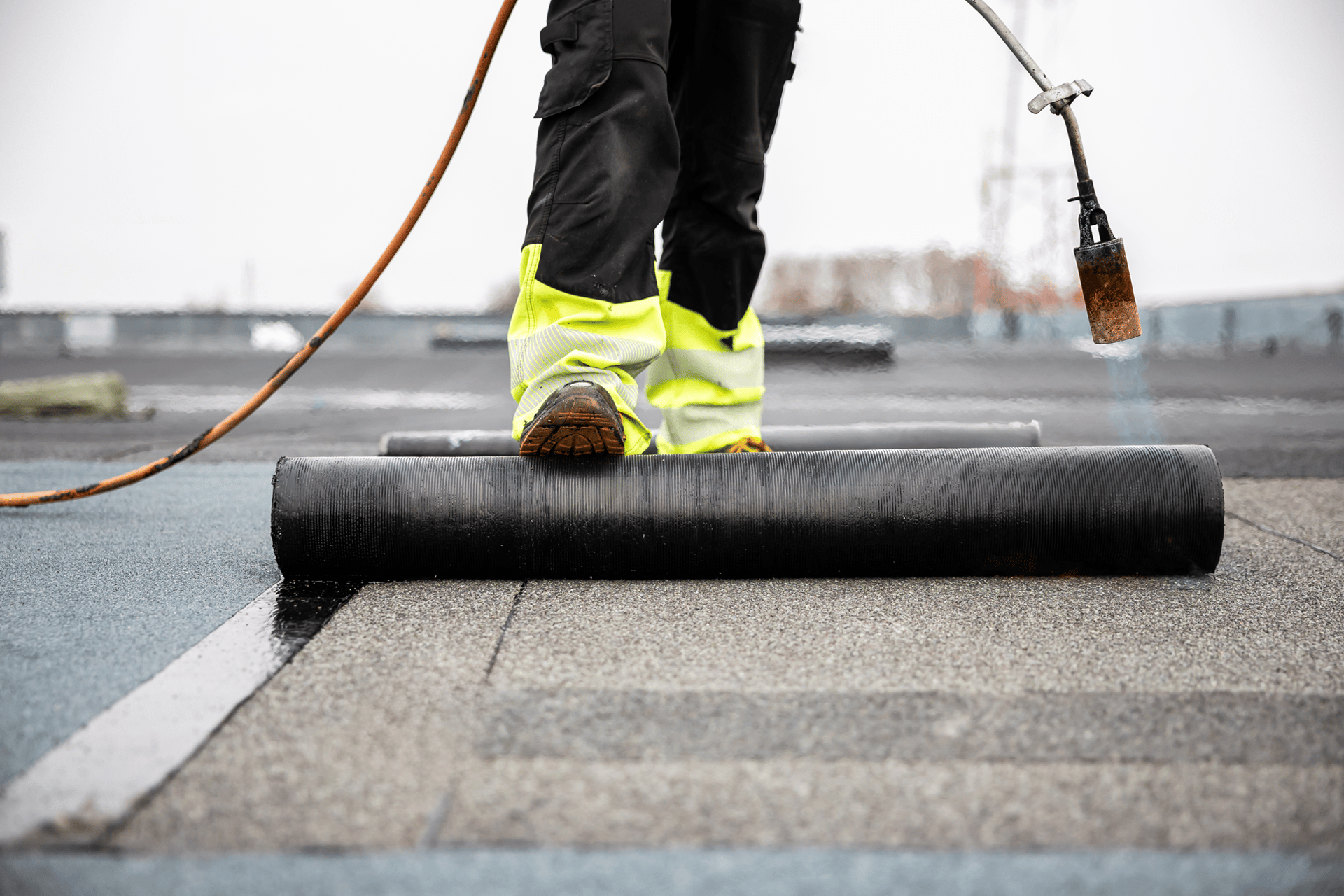
Bituminous membrane waterproofing is a widely-used method for protecting structures from water infiltration. It involves the application of a waterproofing membrane made from bitumen, a sticky, viscous material derived from petroleum.


Key Features
Durability: Bituminous membranes are known for their long-lasting performance, often lasting up to 25 years.
Water Resistance: The material is naturally resistant to water, making it ideal for waterproofing applications
Flexibility: Modified bitumen membranes are reinforced with polymers, allowing them to adapt to structural movements without cracking.
Puncture Resistance: These membranes are robust and can withstand physical stress, making them suitable for areas like terrace roof gardens.
Benefits of using Bituminous Membrane Waterproofing


Low Maintenance
Once installed, bituminous membranes require minimal upkeep compared to some other waterproofing methods.Cost-Effective
Considering its longevity and protection level, it's often a cost-efficient solution.Self-Healing Capabilities
Minor punctures or damages can sometimes be self-sealed due to the thermoplastic nature of bitumen (especially in warmer climates).Multiple Layers
Allow installation of single or multiple layers to meet higher waterproofing demands.
RER Builders & Services Pte Ltd
Effective waterproofing system for your properties.
Contact
Email : sales@rerbuilders.sg
Mobile : +65 8621 5576
© 2025. All rights reserved. RER Builders & Services Pte Ltd